Sub-National Strategy for Preventing and Countering Violent Extremism
The Sub-National Strategy for Reintegration and Preventing and Countering Violent Extremism (P/CVE) in Northeast Syria (NES) is a comprehensive, data-driven initiative designed to address the deep-rooted social, political, and economic drivers of instability in the region. The initiative is predicated on the understanding that violent extremism is a temporary response to chronic instability and marginalization rather than a permanent societal fixture. Consequently, the project focuses on building community resilience and creating “peace dividends” to prevent the re-emergence of extremist groups like ISIS.
Context and Problem Statement
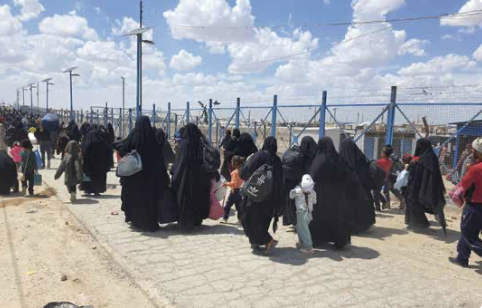
Northeast Syria faces a multifaceted crisis characterized by destroyed infrastructure, a trust gap between the population and local authorities, and severe economic hardship. Statistics indicate that 65% of youth are unable to find work that meets their basic needs, creating a vacuum that extremist groups exploit through recruitment promises. Furthermore, the presence of 16 detention camps, including Al-Hol, which houses tens of thousands of individuals affiliated with ISIS, poses a massive reintegration challenge. Returnees—particularly women and children—face intense social stigma and alienation, which limits their access to public services and community spaces.
The Multi-Sectoral Strategic Framework
Drawing from the sub-national strategy draft, the project intervenes across five critical sectors to foster a more extremism-resilient environment:
Methodology and Implementation
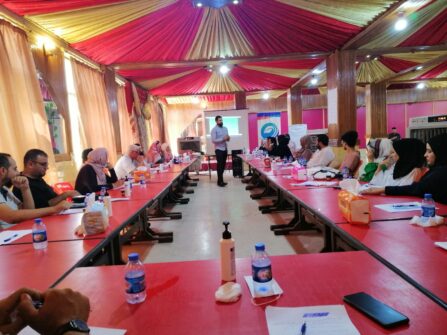
The strategy utilizes a participatory “bottom-up” approach, involving high-level policymakers, religious leaders, and community elders. A specialized committee representing a diverse set of interests provides public oversight and ensures that implementation plans are tailored to local social dynamics. This process is informed by applied field research, such as the Aftershocks Report which identifies poor living conditions and eroded trust in authorities as drivers of extremism.
The P/CVE program seeks to create a sustainable, local framework that enhances the efficiency of reintegration efforts while building public trust in regional governance.
Partners and Donors