WIAAM III: Supporting Syrian Civil Society

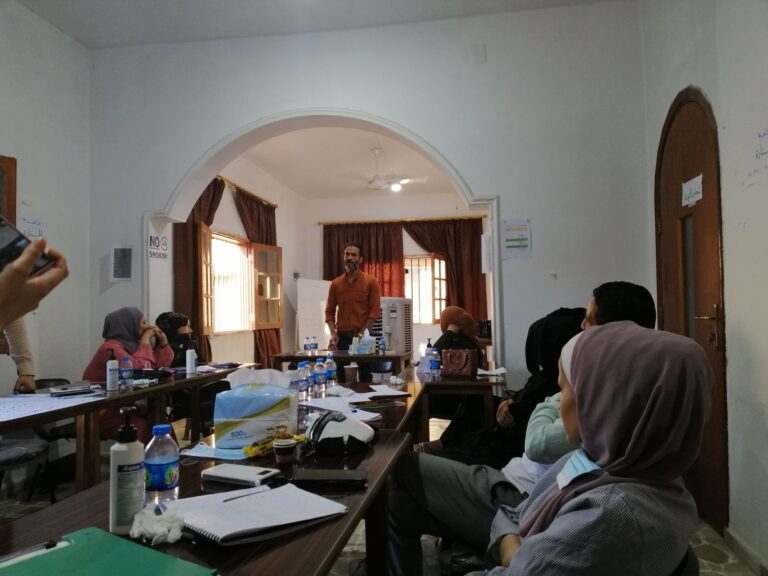
Launched in May 2023, Wiaam III seeks to strengthen the capacity of civil society actors to implement reintegration, social cohesion, and local governance accountability activities in Northeast Syria (NES). The project is staffed by Syrian nationals, and all elements will be designed with local input, ensuring that it is rooted in the needs and lived experience of Syrians in the communities where work will proceed. It has three primary objectives:

  1. Syrian civil society organizations are empowered to address gaps in services that negatively impact community residents’ wellbeing and livelihood;
  2. services delivered by CSOs, and by authorities contribute to community stability and resilience and improve community reintegration and social cohesion; 
  3. civil society’s collective advocacy positively influences responsiveness of local authorities to their constituents, enhances transparency, and promotes respect to human rights.
 

WhatsApp Image 2026-05-06 at 12.10.04

The program addresses critical gaps in three areas:
Reintegration

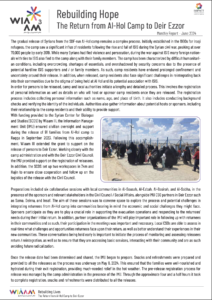
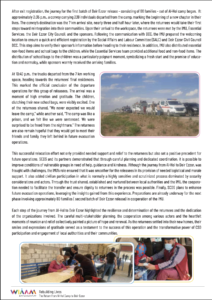
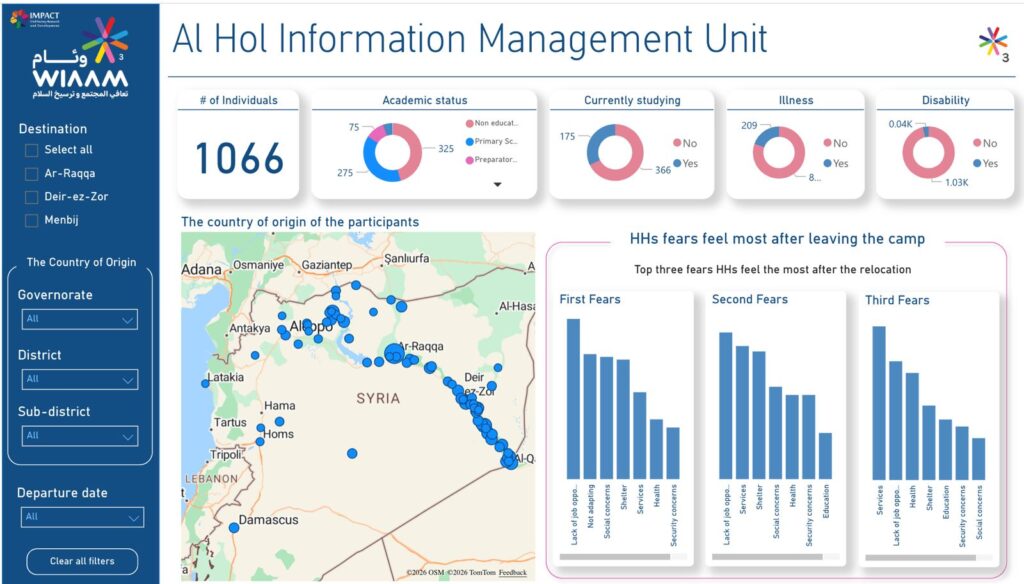
Approximately 17,000 Syrians have been released from Al Hol camp thus far, predominantly women and children. Challenging reintegration efforts, women who lived under ISIS face ongoing stigma and alienation from communities, including women’s groups. Stigmatization prevents certain groups from accessing community spaces, public forums and services. In addition, it contributes to the high level of sexual and gender-based violence (SGBV) and violence against women in politics that has been normalized throughout society but often goes unrecognized as violence. Wiaam III will support community reintegration by providing community centers in areas of high density returns that offer safe spaces for returnees, while also funding key service gaps that contributed to stability.

Social Cohesion

After ISIS control in NES, tribal groups, civil society, and local authorities are striving to restore essential services and meet critical needs. However, progress is fragmented and hindered by disputes and conflicts and distrust among these groups prevents effective coordination. This creates an opening for malign actors like the Assad Regime, Iranian proxies, ISIS sleeper cells, other radical groups and Turkish-aligned groups to exert influence through patronage networks or by sowing discord within local communities. Wiaam III’s social cohesion approach involves engaging the widest number of the people in the community, promoting inclusivity, and working with neglected social groups, ethnic groups, and minorities.

Local Governance Accountability

In NES, local government bodies face significant hurdles in effectively communicating with citizens and addressing their needs. With limited budgets, inadequate equipment, lack of administrative skills, less developed regulations, and a lack of qualified staff, engaging constituents becomes a challenge. As a result, reform-minded actors encounter difficulties in establishing sustainable engagement mechanisms. Within this constrained environment, civil society struggles to build consensus and platforms that amplify the diverse voices of Syrians and hold authorities accountable. Wiaam III seeks to address these challenges by strengthening civil society through advocacy, enhancing essential skill sets, fostering coalition building, and engaging political stakeholders.


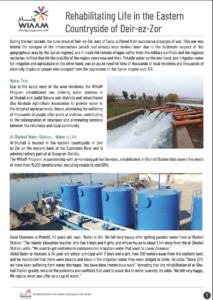
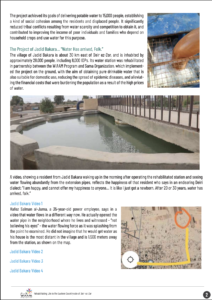
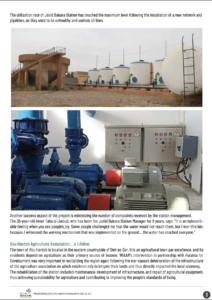
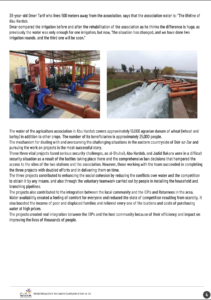
Implementation is driven by a grantmaking mechanism of approximately 115 awards (totaling over $5M), ranging from small grassroots Learning & Reflection grants to large-scale Partnership Agreements for infrastructure rehabilitation, such as water stations and irrigation canals.

The program offered support for different target groups covering a wide spectrum of civil society actors and stakeholders in NES Syria. Direct beneficiaries of the project include: 1) local, grassroots and newly established CSOs/CBOs; 2) local established/matured CSOs/CBOs; 3) civil society networks and alliances; and 4) community leaders, including youth and women.

Success Stories

Rehabilitating Life in Deir-ez-Zor

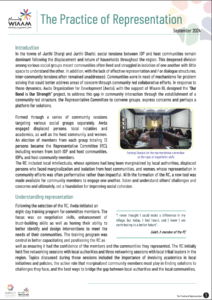
The Practice of Representation

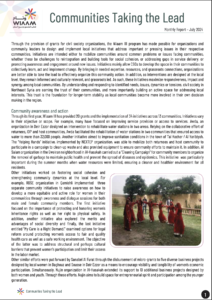
Communities Taking the Lead

Rebuilding Hope

Partners and Donors

keyboard_arrow_up