Preventing violent extremism is not about surveillance or stigma — it is about building the conditions in which extremism loses its appeal. Our P/CVE approach is rooted in community resilience, grounded in research, and designed to create lasting change long after programs end.
Countering Violent Extremism
Our model starts from an important recognition: violent extremism is a temporary and symptomatic response to deeper structural conditions — including marginalization, lack of opportunity, social exclusion, and weakened community institutions. Effective prevention therefore means addressing those root causes directly, investing in communities rather than targeting individuals, and working with local leaders who already have the trust and standing to influence social norms.
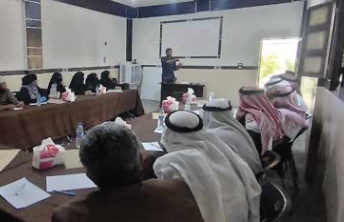
Community engagement is central to everything we do in this pillar. We work with tribal leaders, civil society organizations, local authorities, and women’s groups to identify and strengthen the existing social bonds that make communities resistant to extremist influence. We do not bring in external solutions: we build on what communities already know about themselves, facilitating conversations and designing interventions that reflect local priorities and dynamics.
Our reintegration methodology is particularly well-developed. We apply a three-phase approach — preparation, reintegration, and follow-up — that supports individuals and families through each stage of their return to community life. Multipurpose Community Centers serve as anchors in this process, offering psychosocial support, vocational training, safe spaces for women and children, youth activities, and case management. Critically, we also work with receiving communities to create the conditions for acceptance — tackling stigma, building social cohesion, and engaging community leaders in sponsorship and support roles.
Throughout all phases, our programming is guided by continuous field research and ongoing monitoring, allowing us to adapt in real time to changing conditions. Our experience coordinating across camp management, tribal structures, local governance, and international partners has given us a replicable framework for complex reintegration contexts — applicable wherever communities are working to recover from the social trauma of extremism and displacement.
Building Resilience to Extremism in Northeast Syria
One of IMPACT’s flagship programs, Building Resilience to Extremism in Northeast Syria, addresses the complex challenges of the post-ISIS era, particularly the reintegration of returnees and building community resistance to extremist ideologies. This program goes beyond immediate reintegration needs, fostering long-term resilience by engaging communities at multiple levels. The program focuses on several key pillars:
- Community Engagement: Strengthening community ties and encouraging collaboration among local actors to create a more cohesive society resistant to extremist influences.
- Civil Society Support: Bolstering the capacity of local civil society organizations to lead community initiatives that promote peace, stability, and inclusivity.
- Child Protection and Psychosocial Support: Recognizing the trauma experienced by children who have lived under ISIS, IMPACT provides targeted child protection services, ensuring their psychological and emotional recovery, and preventing them from becoming susceptible to radicalization.
- Women’s Economic Empowerment: Empowering women who have been marginalized by ISIS through vocational training, economic opportunities, and leadership programs, allowing them to reclaim their roles in society and contribute to the community’s recovery.
- Research and Advocacy: Research to understand the evolving dynamics of extremism and develop evidence-based advocacy to inform policy and program interventions.
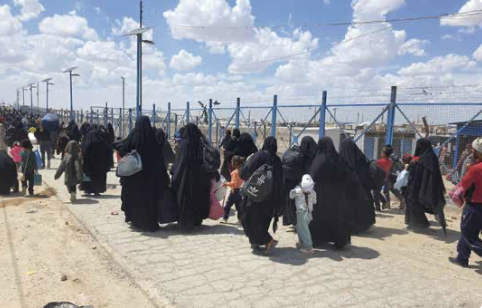
IMPACT’s strategy is informed by rigorous field research, most notably the “Aftershocks: The legacy of ISIS in Syria” report. This research identifies primary drivers of extremism—such as poor living conditions and the erosion of trust in authorities—and recommends community-oriented reconciliation as the primary defense . By integrating stabilization with long-term governance reform under the NAFS Nexus Approach, IMPACT aims to transform NES from a fragile environment into a resilient regional model for sustainable peace and inclusive governance
The document is in Arabic. I now have all the content needed — the national strategy’s sectors, methodology, and vision are clearly laid out across both the Arabic strategy document and the English framework. Let me write the website paragraph:
National Strategy for Preventing and Countering Violent Extremism
Building on its sub-national work in Northeast Syria, IMPACT has contributed to the development of a national-level strategy for preventing and countering violent extremism (P/CVE) that addresses the structural root causes of radicalization through a long-term, multi-sectoral framework. Developed through a participatory methodology — including consultative sessions with community leaders, civil society organizations, religious figures, local governance bodies, and domain experts — the strategy draws on field research, comparative analysis of international experiences, and the direct input of affected communities at every stage of its design. The strategy is organized around five interconnected sectors: education, where the focus is on integrating critical thinking, peacebuilding values, and conflict resolution into curricula while strengthening the capacity of teachers to engage constructively with at-risk youth; media and communications, targeting counter-narrative capacities and responsible information ecosystems; local governance and accountability, strengthening citizen trust in institutions and reducing the civic voids that extremist actors exploit; economic development and livelihood, addressing the unemployment and marginalization that leave communities — particularly youth — vulnerable to recruitment; and security and stabilization, supporting disarmament, voluntary return, and community-level conflict resolution mechanisms that reinforce peaceful coexistence.
The strategy takes a deliberate long-term horizon of five to ten years, recognizing that durable prevention requires sustained investment in communities rather than short-cycle programming — and that the lessons learned in one context can meaningfully inform P/CVE approaches in comparable post-conflict environments.